
Peptide Health Digest Logo
Research CompoundTissue Research & HealingMuscle & Recovery(Body Protection Compound)

BPC-157

A stable 15-amino acid peptide derived from human gastric juice, widely investigated for tissue healing, angiogenesis, and gut mucosa integrity.

Known Aliases:BPC 157BPC157PL 14736Bepecin
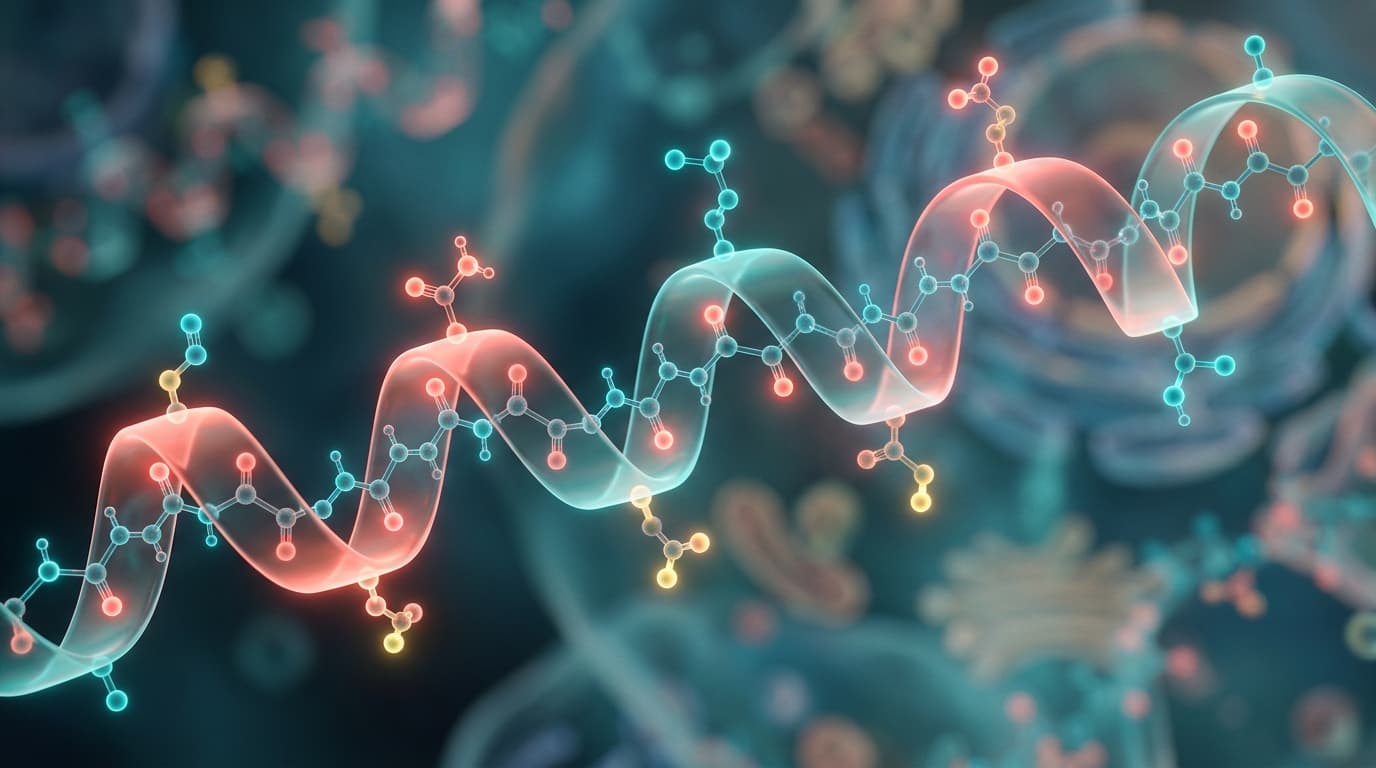
BPC-157 3D Molecular Conformation Artwork
Biological DomainTissue Research & Healing
Molecular Conformation Visualization
Bioactive Specifications59 Amino Acids
Half-Life

~4 hours

Receptor Target

VEGFR2

Molecular Formula

C62H98N16O22

Administration

Investigated via subcutaneous injection, localized intramuscular administration, and oral delivery (as stable arginate salt).

Rigorous Scientific Hierarchy

Evidence Quality Snapshot

Independent Literature Synthesis
Human Evidence
Limited

Small or observational human data; warrants clinical caution.

Preclinical Evidence
Extensive

Animal (rodent) and in-vitro cellular assays. Does NOT prove human efficacy.

Clinical / Regulatory
Research Compound

Formal regulatory oversight and verified clinical development phase.

Evidence classification for BPC-157: Human clinical data is strictly differentiated from non-human animal and in-vitro laboratory assays.

Pharmacokinetics & Chemical Specification

Biological Half-Life~4 hours
Molecular Mass1419.53 g/mol
CAS Registration137525-51-0
Primary Target Receptors:
VEGFR2Growth Hormone ReceptorNO Synthase Pathways
Chemical Formula:

C62H98N16O22

Amino Acid Sequence:

Gly-Glu-Pro-Pro-Pro-Gly-Lys-Pro-Ala-Asp-Asp-Ala-Gly-Leu-Val

What is BPC-157?

BPC-157 (Body Protection Compound-157) represents a partial sequence of the endogenous gastric protein BPC. Preclinical investigations show marked resilience to gastric acid and digestive enzymes. Extensive animal models illustrate accelerated repair across transected tendons, crushed nerves, bone non-unions, and inflammatory bowel disease models.

Biological Mechanism

Promotes vascular endothelial growth factor (VEGF) receptor activation (VEGFR2), accelerates FAK-paxillin pathway phosphorylation in fibroblasts, and regulates nitric oxide (NO) synthase dynamics.

Scientific Studies & Clinical Evidence

Peer-reviewed publications, clinical trials, and preclinical research investigating BPC-157.

Preclinical2010-09-15

Stable Gastric Pentadecapeptide BPC 157 Promotes Tendon and Muscle Healing

Preclinical biomechanical assessment showing accelerated structural restoration, functional load tolerance, and enhanced VEGFR2 phosphorylation following BPC 157 administration.

Primary Result: Significantly enhanced biomechanical tensile strength and fibroblast outgrowth
Journal of Applied PhysiologyRead Study Summary

Educational Dosing References

Documented literature dosing intervals and published clinical trial protocols.

Preclinical & Empirical Research RangeSubcutaneous / Oral
250 - 500 mcg

Frequency: Daily or twice daily

“Calculated based on 5-10 mcg/kg extrapolations in published animal gastrointestinal and orthopedic repair models.”

Need to convert milligrams to syringe units?

Use our interactive mathematical tool for vial concentration and volume conversions.

Administration Methods & Handling

Biological delivery routes and standardized laboratory reconstitution principles.

Administration Summary

Investigated via subcutaneous injection, localized intramuscular administration, and oral delivery (as stable arginate salt).

Reconstitution & Storage Standard

Lyophilized peptides must be reconstituted using sterile bacteriostatic water (0.9% benzyl alcohol) and maintained strictly refrigerated between 2°C - 8°C (36°F - 46°F), shielded from light.

View Full Preparation Protocol

Related Research News

Recent articles referencing BPC-157.

9/13/2026

Pharmacopeial Working Groups Issue Standardized Cold-Chain Handling Guidelines for Lyophilized Research Peptides

Global scientific standards organizations publish technical guidelines on reconstitution temperature, secondary protein structure preservation, and solvent selection.

Read Article

Where This Information Came From: Scientific Sources

Compiled from peer-reviewed biomedical literature, public clinical trial registries, and recognized reference catalog databases.

Transparent Attribution
Primary Scientific & Clinical Registries

Pharmacological profiles, receptor targets, and clinical data are verified against primary registries:

Secondary & Reference Catalog Resources

Community research topics, peptide nomenclature, and aliases are cross-referenced with public catalogs:

This topic was identified through research of publicly available peptide resources and peer-reviewed literature. Peptide Health Digest provides independent scientific explanations and does not endorse commercial distribution.